
Workflows, Not Tools: What comes next for AI in AEC?
BOND brings the world’s best architects, designers and manufacturers together to get to know each other better and to see what collaborative possibilities present themselves. Each has something to learn from the other, all coming away better-connected, better equipped and better-informed to meet future project challenges.
BOND’s AIA-accredited seminar programs take this learning and inspiration element to a new level by curating sessions from speakers who genuinely inspire us.
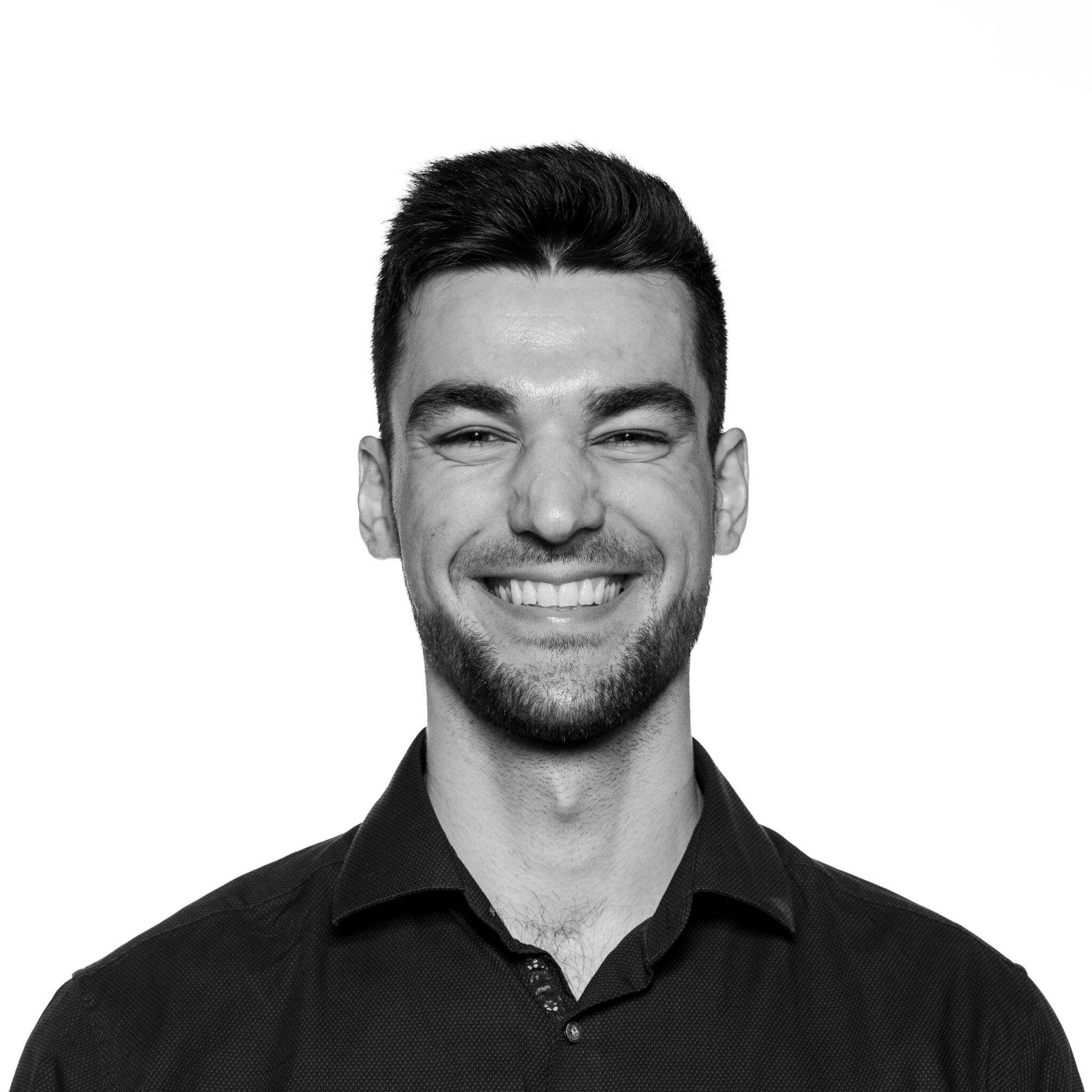
Here, in the first of a series of posts from our seminar guest speakers, Stjepan Mikulić, CEO at AI in AEC & Neostack AI casts a cool, sensible light on the whole AI thing:
Ask not whether AI will replace architects, engineers, or construction professionals. Instead, ask: if AI helps us do more, faster, and with less friction, what should we do with that new capacity?
Stjepan will be speaking at Arc US in Orlando, November 19-12, 2026, session title: Workflows, Not Tools.
Here Stjepan highlights why this is so relevant to BOND’s architecture and design communities right now:
“For the last two years, most conversations about AI in architecture, engineering, and construction have focused on tools:
- Which tool writes better emails?
- Which tool creates better images?
- Which tool summarizes meetings?
- Which tool can help with RFIs, reports, specifications, or presentations?
Those tools matter - but they are not the real story. The next phase of AI in AEC is not about collecting more tools. It is about understanding workflows.
My session, “Workflows, Not Tools.”, will explore why the firms that benefit most from AI will not simply be the ones testing the newest apps. They will be the firms that understand how work actually moves through their organization: from ideas to design, from design to coordination, from coordination to documentation, from documentation to construction, and from construction to operation.
This is particularly relevant to BOND’s audience right now because large AEC firms are entering a difficult but important transition. AI is no longer a novelty. It is starting to affect delivery models, internal teams, client expectations, and business models. The question is not only “Which AI tools should we use?” but “How will our firms need to operate when more of the repetitive, administrative, and coordination-heavy work can be accelerated?”
One of the strongest trends I am seeing is the move from isolated AI tools toward platforms and infrastructure layers that allow teams to build their own workflows, automations, internal tools, and AI-assisted processes. This matters because AEC is too complex for one-size-fits-all solutions. Every firm has different clients, standards, risk tolerance, project types, software stacks, and internal knowledge.
Delegates can expect a practical, strategic session focused on what AI adoption looks like beyond the hype. We will discuss why workflows are the real foundation for AI implementation, how firms can identify where AI belongs, and why leadership needs to think beyond tools toward data, process, operating models, and business model change.
The goal is not to argue that AI will replace architects, engineers, or construction professionals. The more important question is: if AI helps us do more, faster, and with less friction, what should we do with that new capacity?
For me, the answer is clear: the industry should use AI not just to reduce cost, but to address bigger problems — housing demand, sustainability, speed of delivery, and the growing gap between what society needs and what the built environment can currently deliver.”
BOND sets the standard for 1-on-1 meeting and networking events in the architecture and design industry. See our 2026/7 Event Schedule.
