BOND Custom
Networking with America's Leading Luxury Residential Architects
October 22-25, 2026
CA, USA
1-on-1 Meetings and Networking with America’s Leading Luxury Residential Architects.
BOND Custom is the exclusive annual business retreat that connects North America’s top-end luxury residential architects and designers with the premium product suppliers they need.
It is three whole days and nights of 1-on-1 meetings and relaxed, natural networking where you can get to know the Principals, Founders and Owners directing the most prestigious luxury custom home projects in North America.
The quality of attendees, the mind-blowing projects they’re working on and the access you get are guaranteed.
Manufacturer places are strictly limited and sell out quicker every year. If you want to know who’s coming, what they’re working on and how to get yourself and your products in front of them, get in touch right now:
America's Top Luxury Residential Architects and Designers. Guaranteed.
Every single architect and designer you’ll meet at BOND Custom has a portfolio of confirmed luxury residential projects and the authority to influence (and protect) spec.
If the very top-end of luxury residential projects are important to your business, these are the people you need in your life and you will not get this quality of access to them anywhere else.
To make this more real, take a look at who comes…
BOND Custom regular attendees include:
Brian Pinkett
Partner
Landry Design
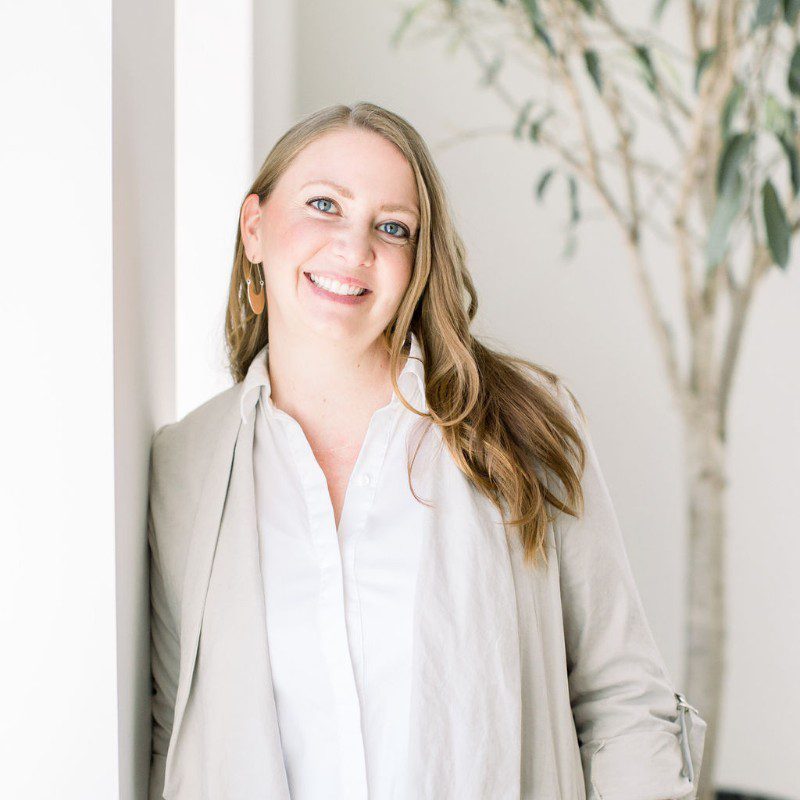
Natalie Ellis
Sr. Vice President of Design
Denton House Design Studio

John Rowland
Director - Maui Studio, Project Manager
De Reuss Architects
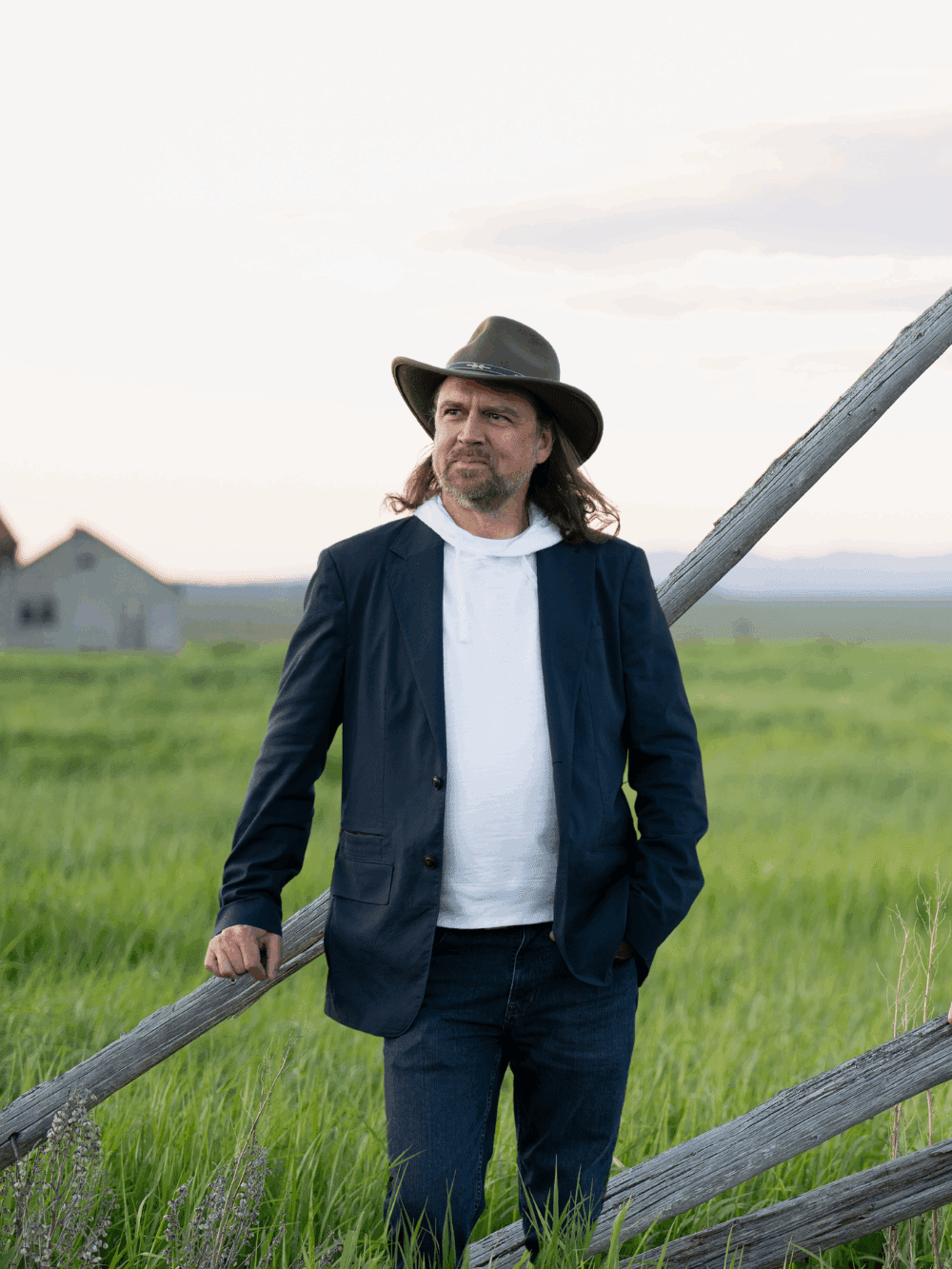
Christopher Hancock
Principal, Director of Professional Services
Vera Iconica Architecture

Steve Grim
Principal
Olson Kundig

Erik Peterson
President
PHX Architecture

Ralph Fey
Founder & Principal
Ralph C. Fey Architects
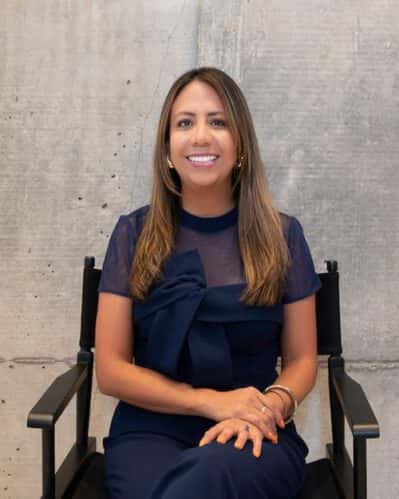
Andrea Caicedo
Partner
Reagan & André Architecture
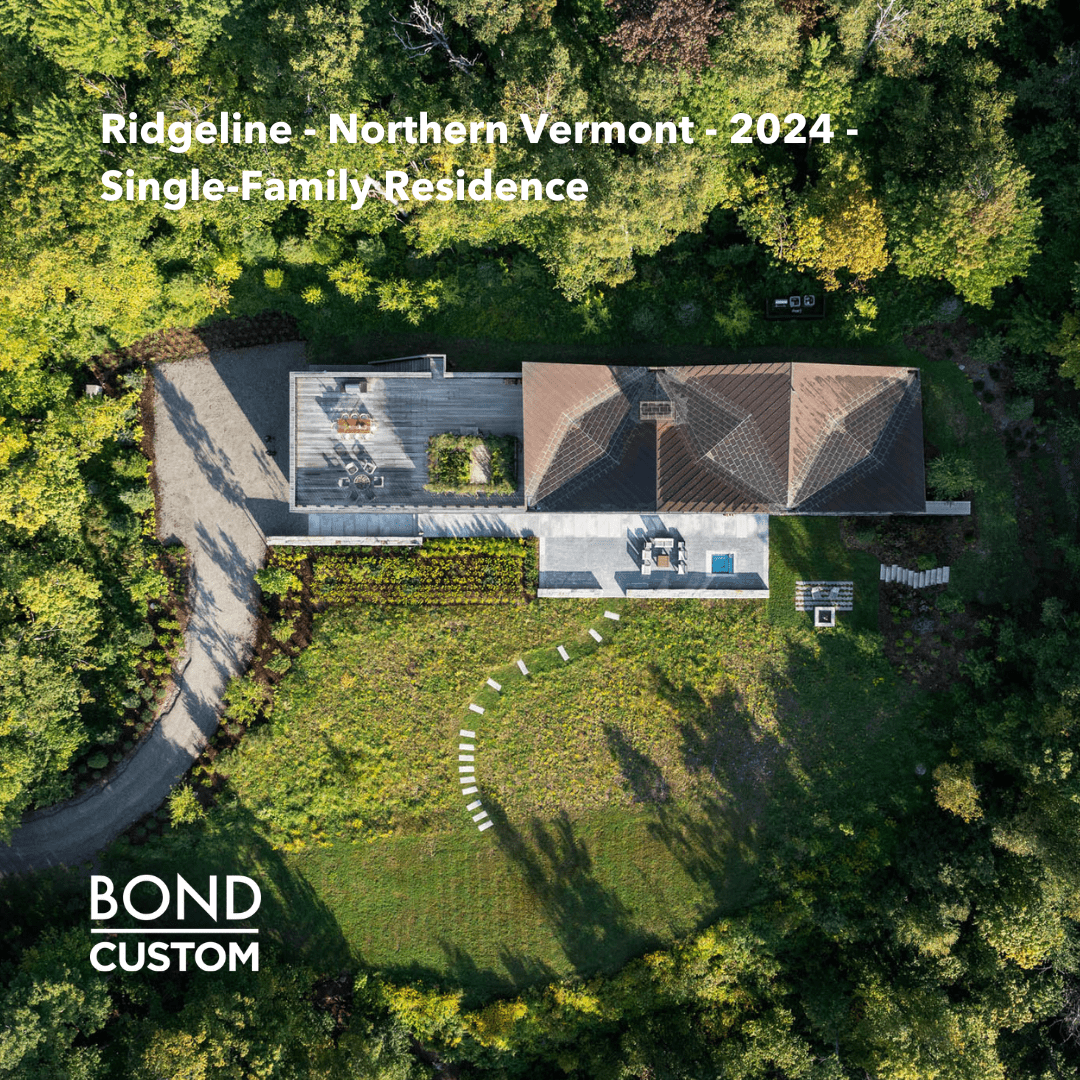
Luxury Residential Projects Throughout America
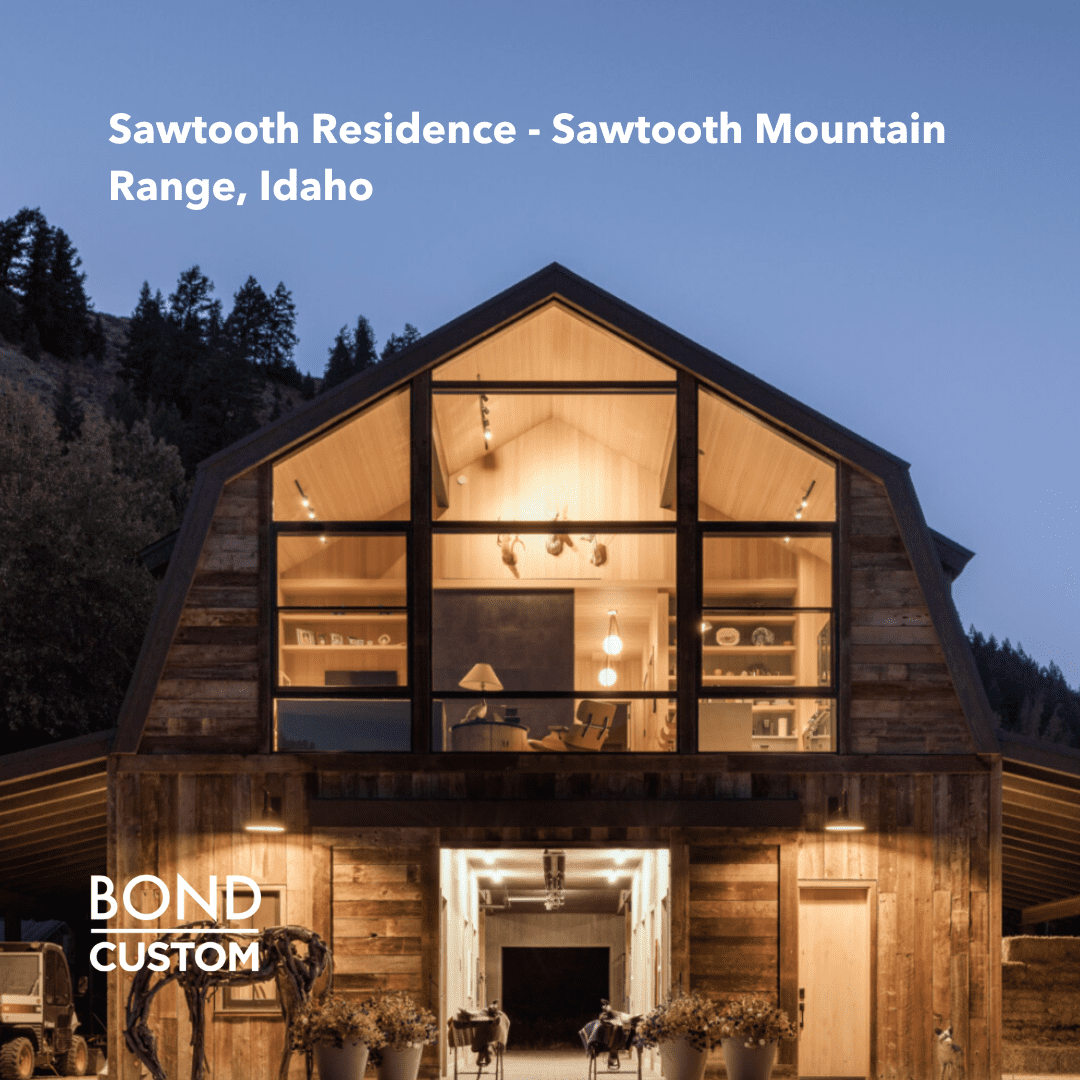
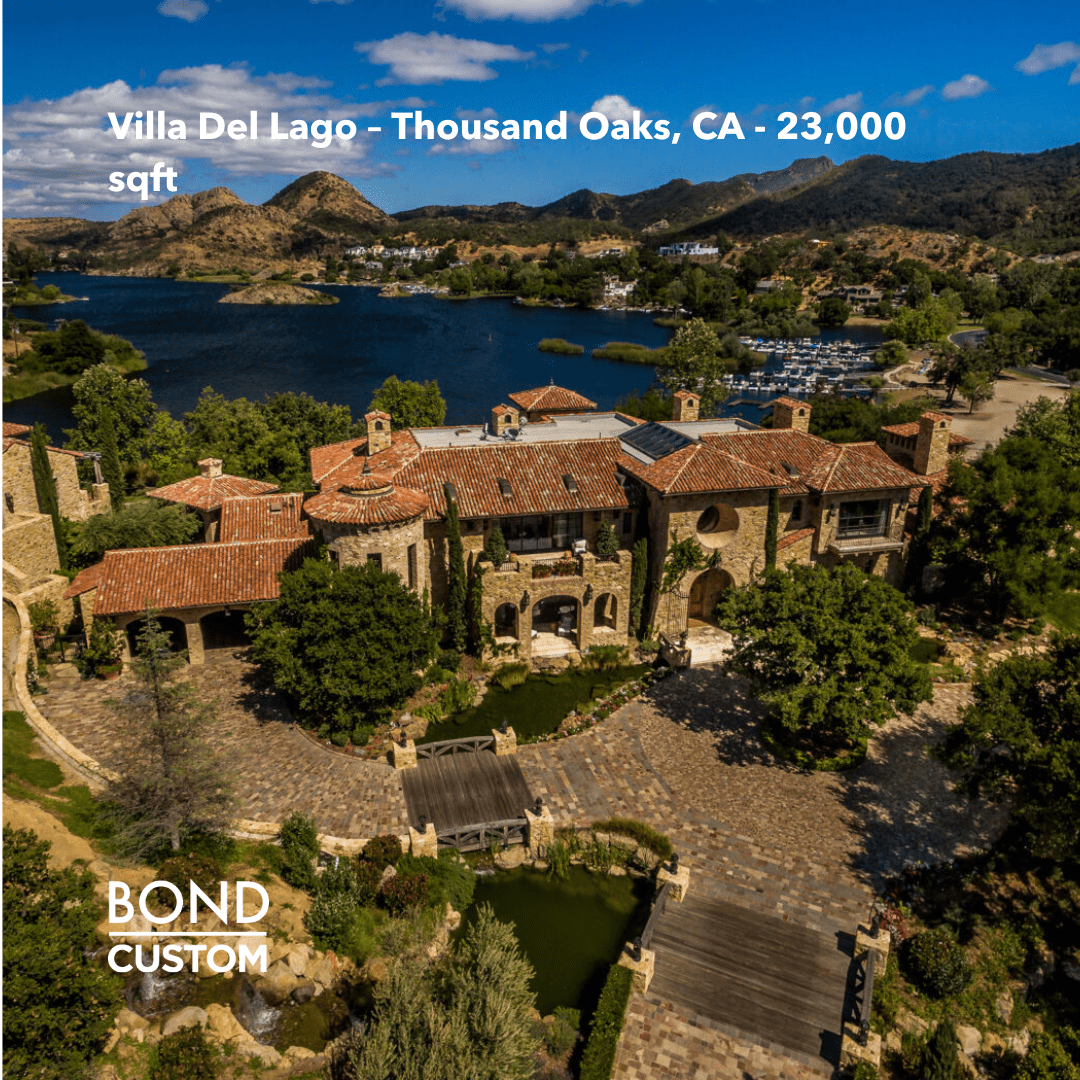
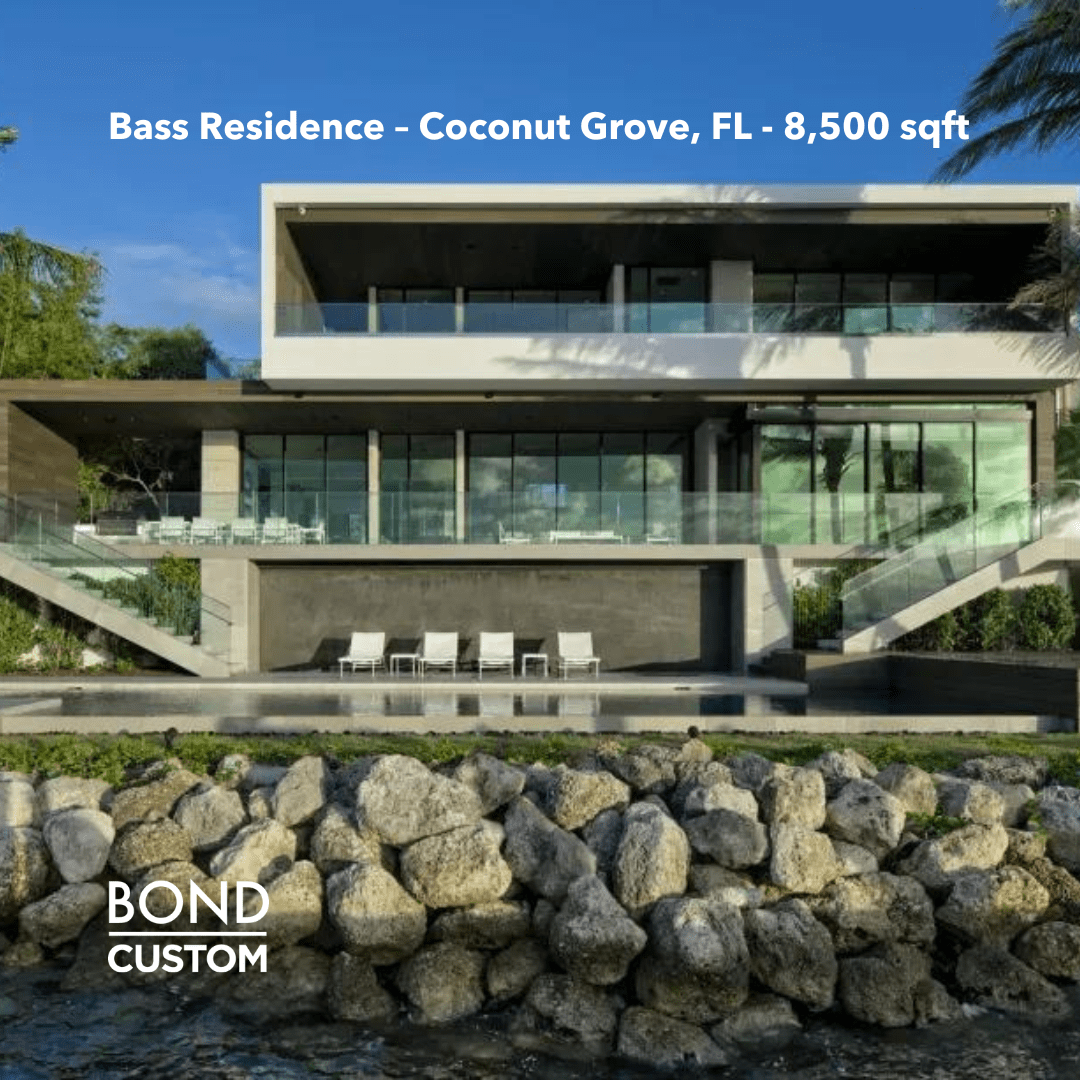
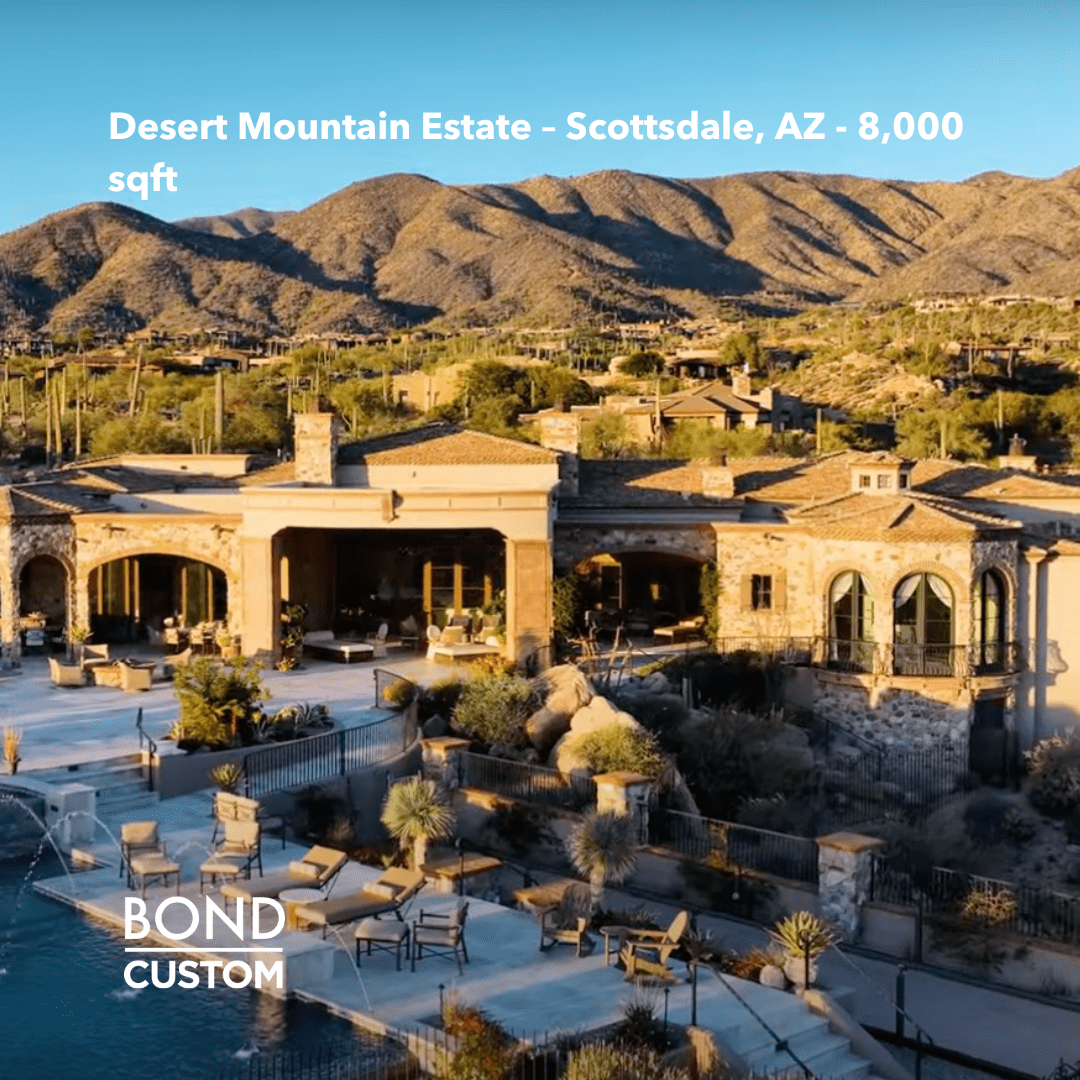
Scroll down for a tiny sample of the 100s of luxury residential projects our architects and designers are bringing to the table in October.
BOND Custom is not like any other luxury custom home event because of who attends, what they’re working on and the quality of access you get.
Every single architect and designer that’s invited must:
- Be at Principal level, or above
- Work nationally in scope
- Evidence a portfolio of live, confirmed luxury residential projects throughout America.
That’s how BOND delivers an unmatched event experience and the best ROI in the luxury residential design event space.


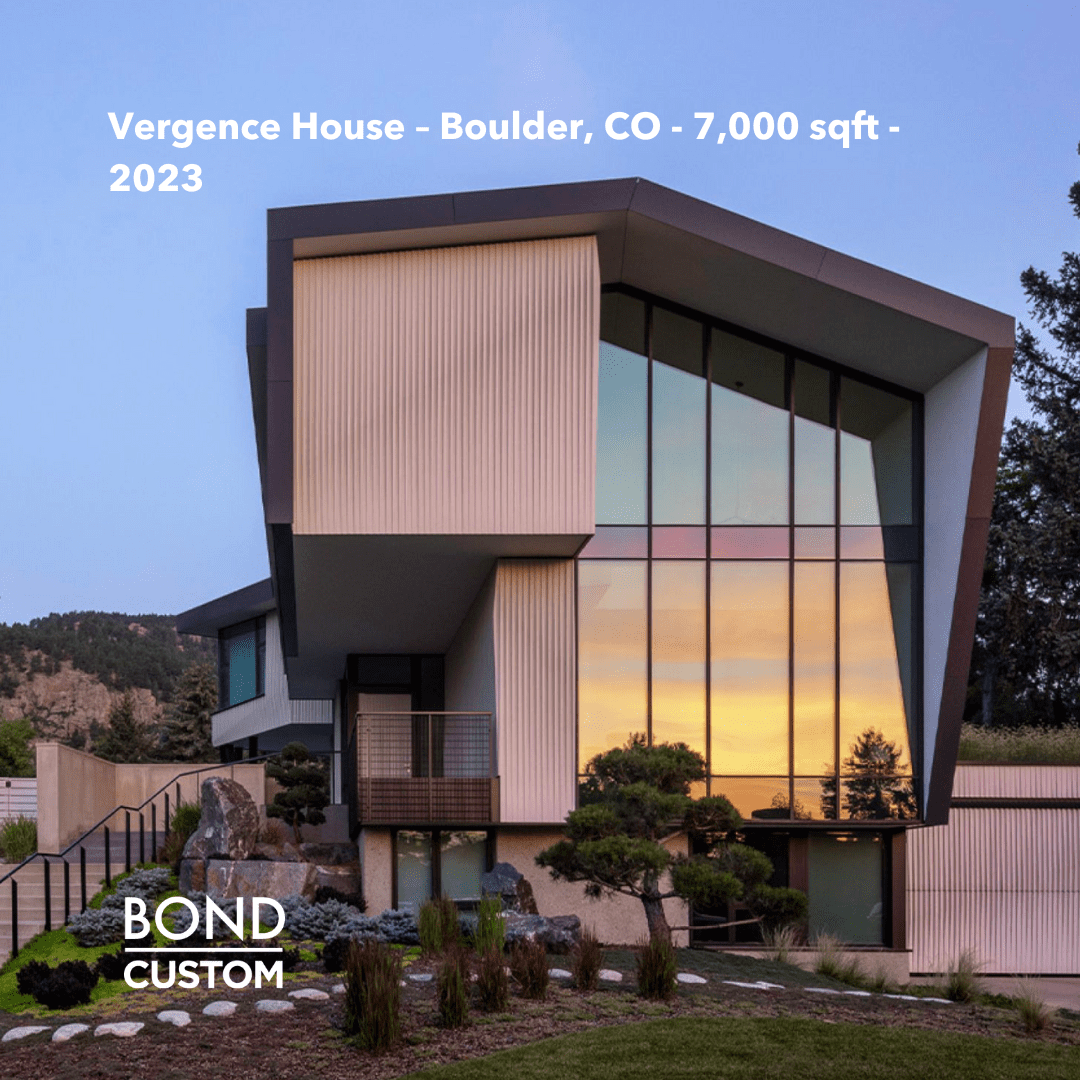
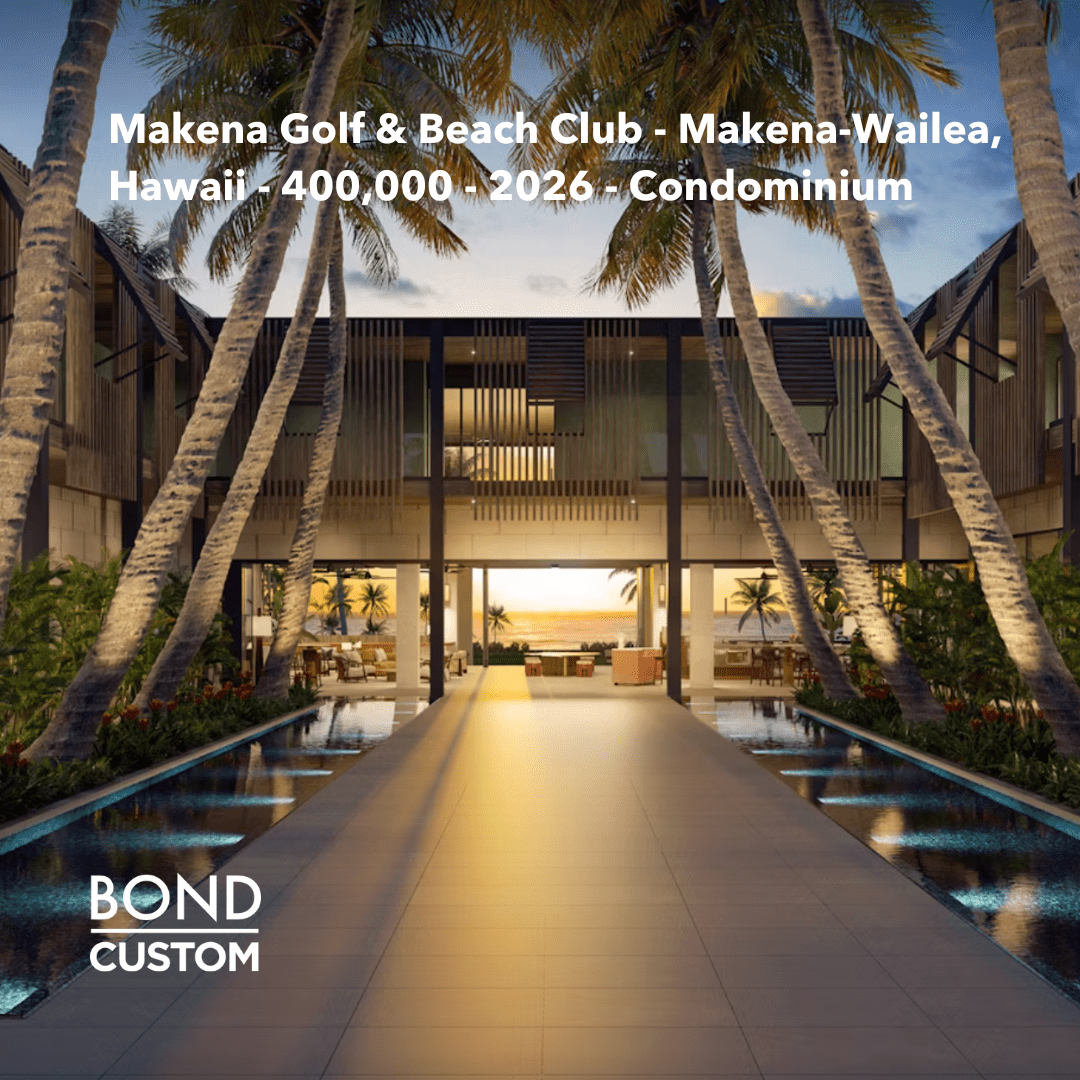

BOND has done a masterful job of bringing us together to discuss innovative, cutting-edge materials and products in a comfortable environment.
Quncie Williams
So much more than a trade show
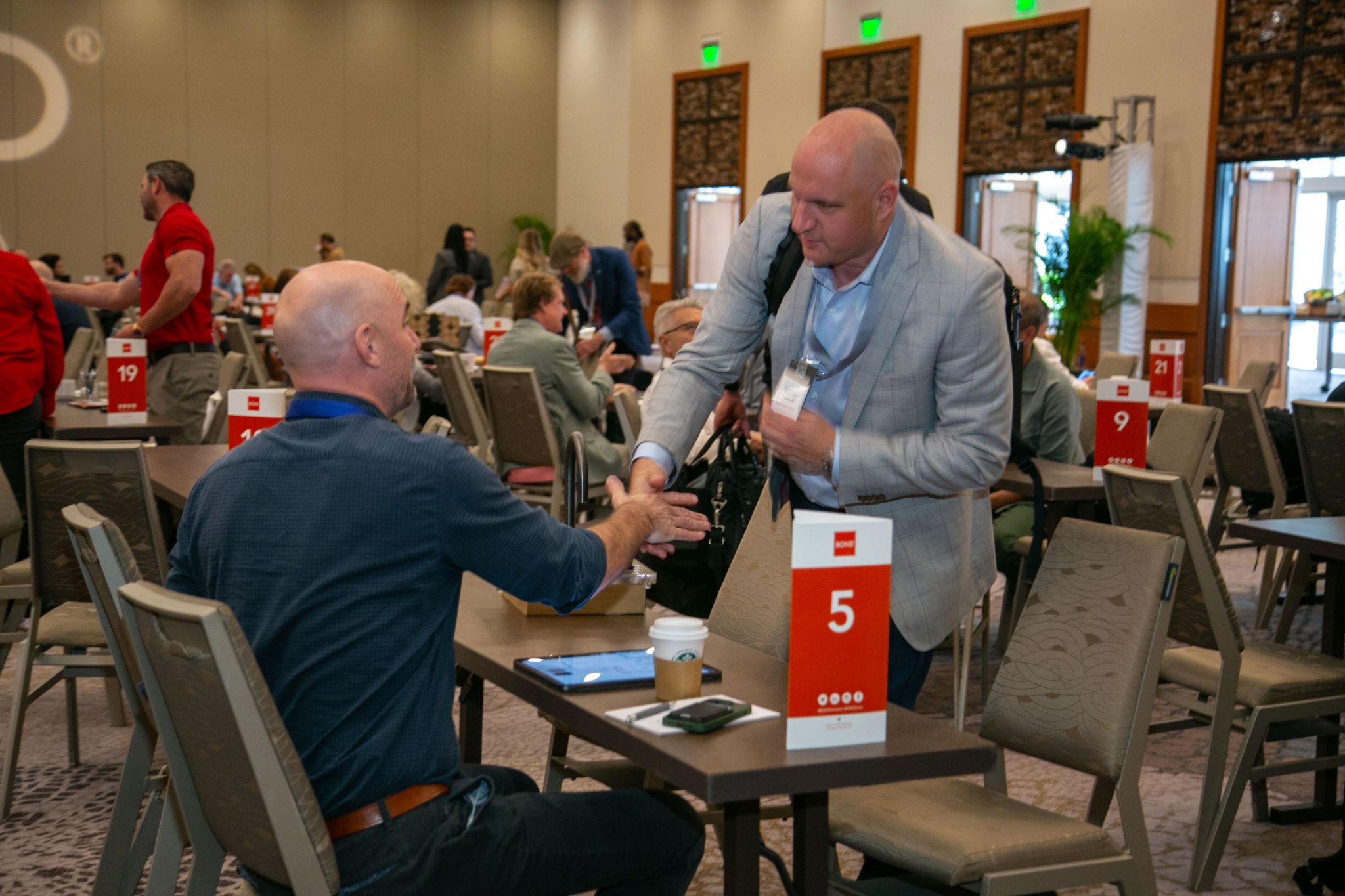
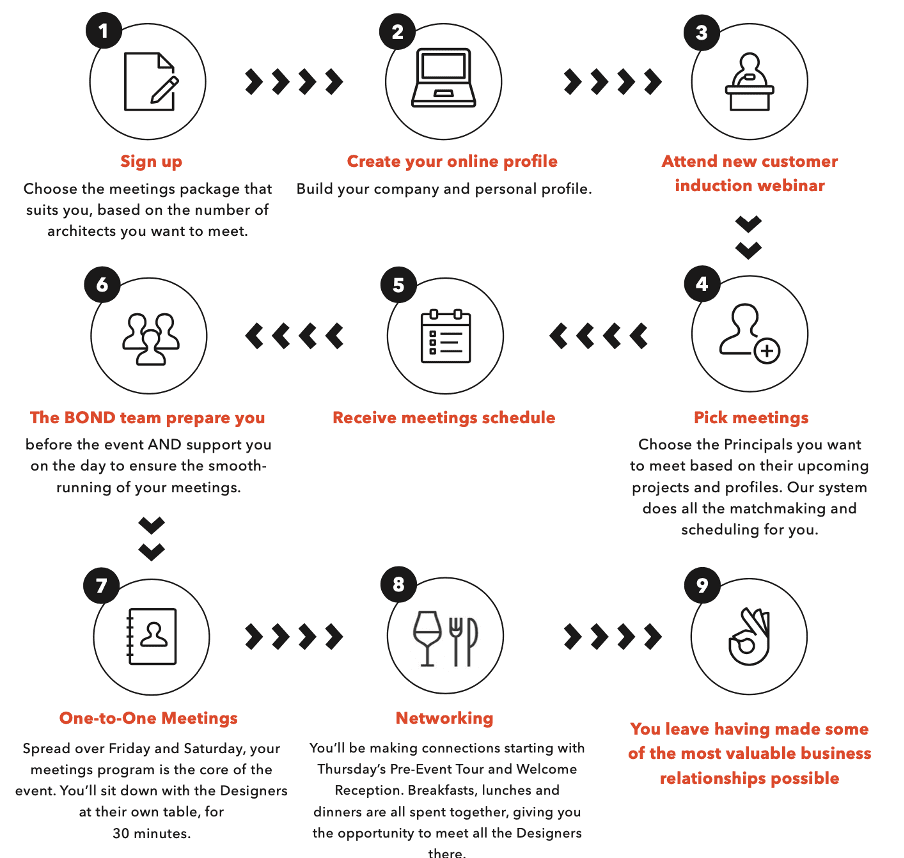
You know who’s going to be here before you arrive and you will have a guaranteed number of 1-on-1 meetings with the architects and designers of your choice.
And that’s just the start:
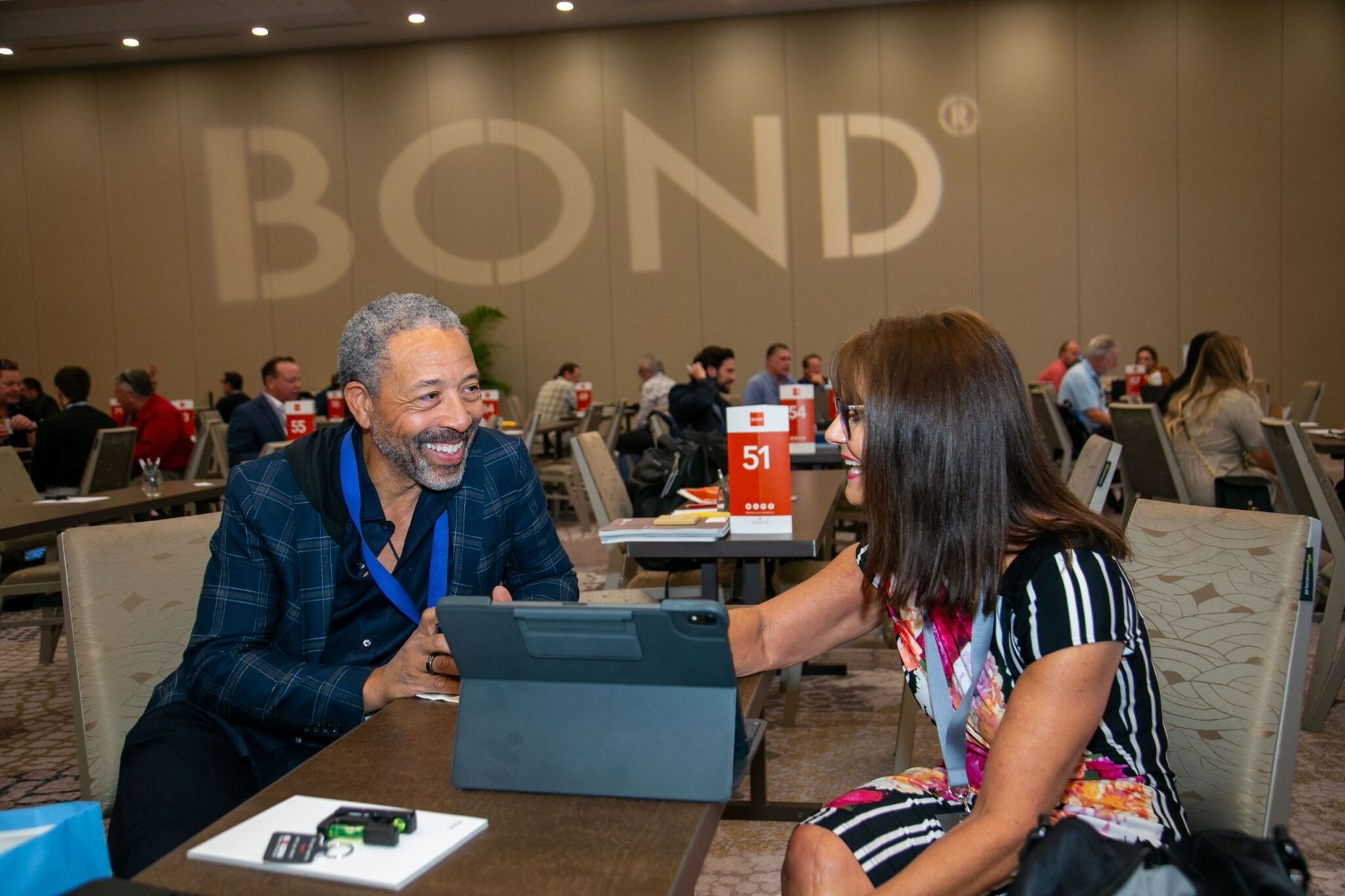
You are all together for three days and nights at a luxury resort, away from the office, so you can get to know each other properly and this is where the magic happens. Because there’s a real community feel here where everyone’s more relaxed, open and helpful so any conversation can light up opportunities from totally unexpected sources – you’ll see!
> 18 pre-arranged 1:1 meetings
+ 72 hours of networking in a luxury resort
= a proven formula for success.
We will deliver America’s true luxury residential project influencers with time and space to get to know each other on a personal level.
What happens from there is your story…
Save your place
By the 3rd top-notch Architect we met on the 1st day we knew it was absolutely worth the investment! A BOND Event is not like a sales presentation. It is set up in a way that truly helps you develop a “BOND” with the Architects you meet.

John Finley
Program
This is last year’s program. Check back soon for the 2026 schedule.
Seminar timings and/or content may be varied at our discretion.
- Day 1
- Day 2
- Day 3
- Day 4
Thursday, October 22
Friday, October 23
Seminar - Luxury Residential Design for the Globally Mobile Client
Holly Mae Post | CEO & Founder, Post Projects

Synopsis
Luxury residential architecture is evolving in response to a world defined less by aspiration and more by volatility. For today’s high net worth clients, residences are no longer conceived purely as personal expressions or lifestyle retreats, but as experiential sanctuaries embedded within broader systems of continuity, health, and wealth preservation.This presentation examines how shifts in global risk—geopolitical uncertainty, environmental exposure, institutional instability, and longevity planning—are reshaping residential demand, particularly within established strongholds such as the United States. Rather than continual migration toward novelty, ultra wealth is increasingly reinforcing footholds in jurisdictions with depth, legal infrastructure, and long term resilience. This recalibration explains why many clients now commission multiple residences that are lifestyle driven yet operationally rigorous, and why the outdated term “vacation home” no longer applies.The session reframes luxury residential projects through systems clients already trust: health architectures, family offices, and well governed enterprises. Interior architecture, landscape, art, and longevity focused wellness are positioned not as aesthetic enhancements, but as essential contributors to residential performance over time. As expectations rise, residential projects demand clearer role definition, earlier specialist integration, and disciplined project governance—without compromising creative leadership.By translating global context into architectural intelligence, this talk equips architects with frameworks and language to engage sophisticated clients, lead complex residential work with confidence, and protect design integrity in an era where homes are asked to do far more than ever before.
Biography
Raised in the heart of rural Australia, Holly-Mae's early years were steeped in community, creativity, and a profound connection to the land. Inspired by the dreamtime and the values of collaboration, she carried this foundation into a life defined by artistry, ambition, and purpose. Her journey began in Melbourne, where she immersed herself in the performing arts before transitioning into the corporate sphere—first in FinTech, joining the mergers and acquisitions team of a global financial technology firm. This role carried her across continents and ultimately to New York City, a vibrant hub of innovation that sparked her next chapter.Motivated by the brilliance and ambition surrounding her, Holly-Mae pursued a degree at New York University in Sustainability, Economics, and Business Leadership, complemented by a specialized certification in Energy. This transformative period inspired a bold industry shift: first into luxury retail with one of America's most iconic fashion houses, and later into high-end construction, where she discovered her true calling.Today, as Founder and CEO of Post Projects, Holly-Mae empowers clients to bring their visions to life—delivering complex, beautiful projects that embody architectural excellence and the values of creativity, collaboration, and intention.
Synopsis
As building codes and aspirational design and construction standards continue to advance and evolve, it is more important than ever for building design professionals to understand how to design and detail building enclosure critical control layers, especially in light of changes to the 2024 IECC and emerging Wildland Urban Interface requirements. This session will provide a basis for understanding how to incorporate control layers for water, air, thermal, and vapor performance to successfully meet code requirements as well as project goals, expectations, and reduced liability. Participants will explore the primary and secondary relationships between building enclosure loads and control layers, discover the four primary ways buildings get wet and dry out, and the value of constructing mockups.
Biography

Saturday, October 24
Synopsis
Visions of off-site construction have loomed as the holy grail of the construction industry for decades, promising increased quality, reduced schedule, and greater construction efficiency resulting in reduced cost. With recent advances in technology, especially improvements in translating design for manufacturing and assembly (DFMA) into computer controlled instructions for fabrication, we are at a tipping point to meaningfully integrate off-site fabrication into custom home building.This session will begin by reviewing the advantages of off-site construction and summarizing the range of approaches to residential off-site fabrication including recent advances in software and manufacturing technology. We’ll cover evaluation criteria to determine the right approach to off-site construction for your project, striking the best balance between efficiency, design flexibility, and manufacturing technology.When executed well, the design and documentation process for off-site fabrication is markedly different from a traditional design and construction process, requiring greater coordination and detailed decision making early on. We will cover strategies to effectively design and document for off-site construction including how best to coordinate with fabricators to avoid scope gaps where shop fabrication meets on-site installation, and how to streamline permitting and inspection. Unlocking the true value of off-site fabrication requires the integration of multi-trade assemblies and we’ll cover real world examples that demonstrate how to coordinate with installers to increase efficiency and eliminate potential cost redundancies.Historically, off-site residential construction has been associated with production home builders creating repetitive planned communities. However, with recent improvements in technology, custom home builders can leverage off-site fabrication by identifying the right approach that creates flexible, multi-trade assemblies, leveraging standardized components and processes to create custom home designs that realize the quality / cost / schedule optimization that off-site construction has promised.
Biography
Seminar - Seminar
David Kaneda | Principal & Thought Leader, IDeAs Consulting

Biography
David Kaneda is an electrical engineer and architect with expertise in electrification/decarbonization, renewable energy, energy storage/microgrids, lighting/daylighting and smart EV charging strategies. He has collaborated on some of the greenest buildings in the US. He has led the electrical design for dozens of COTE Top 10, LEED Platinum, net zero energy and resilient buildings. He is a Professional Engineer, a Fellow in the AIA, a LEED Fellow and a Senior Fellow with New Buildings Institute and Chairs GSA’s Green Building Advisory Committee.